



AI Document & Receipt Extraction (Email, PDF, Scans)
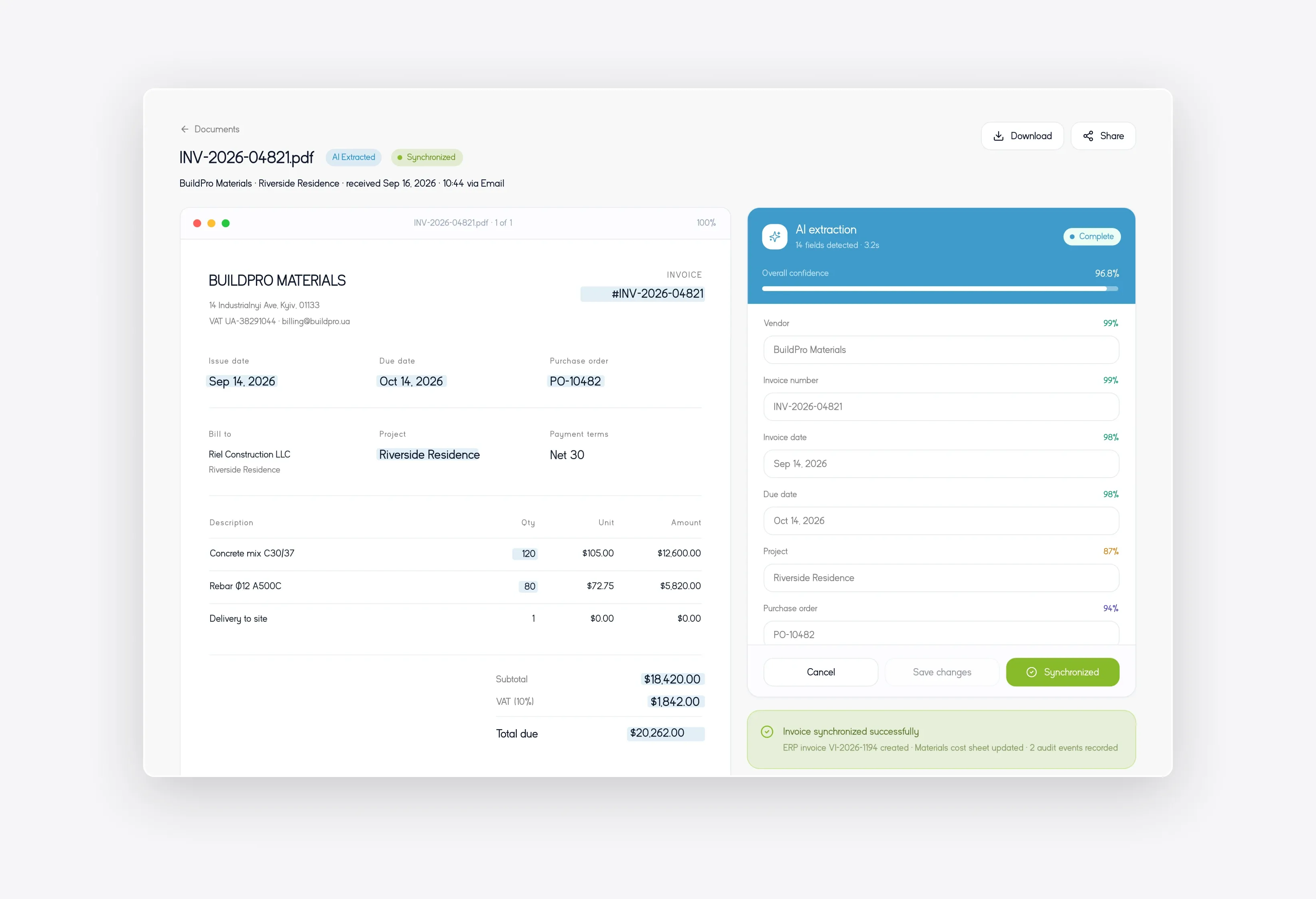
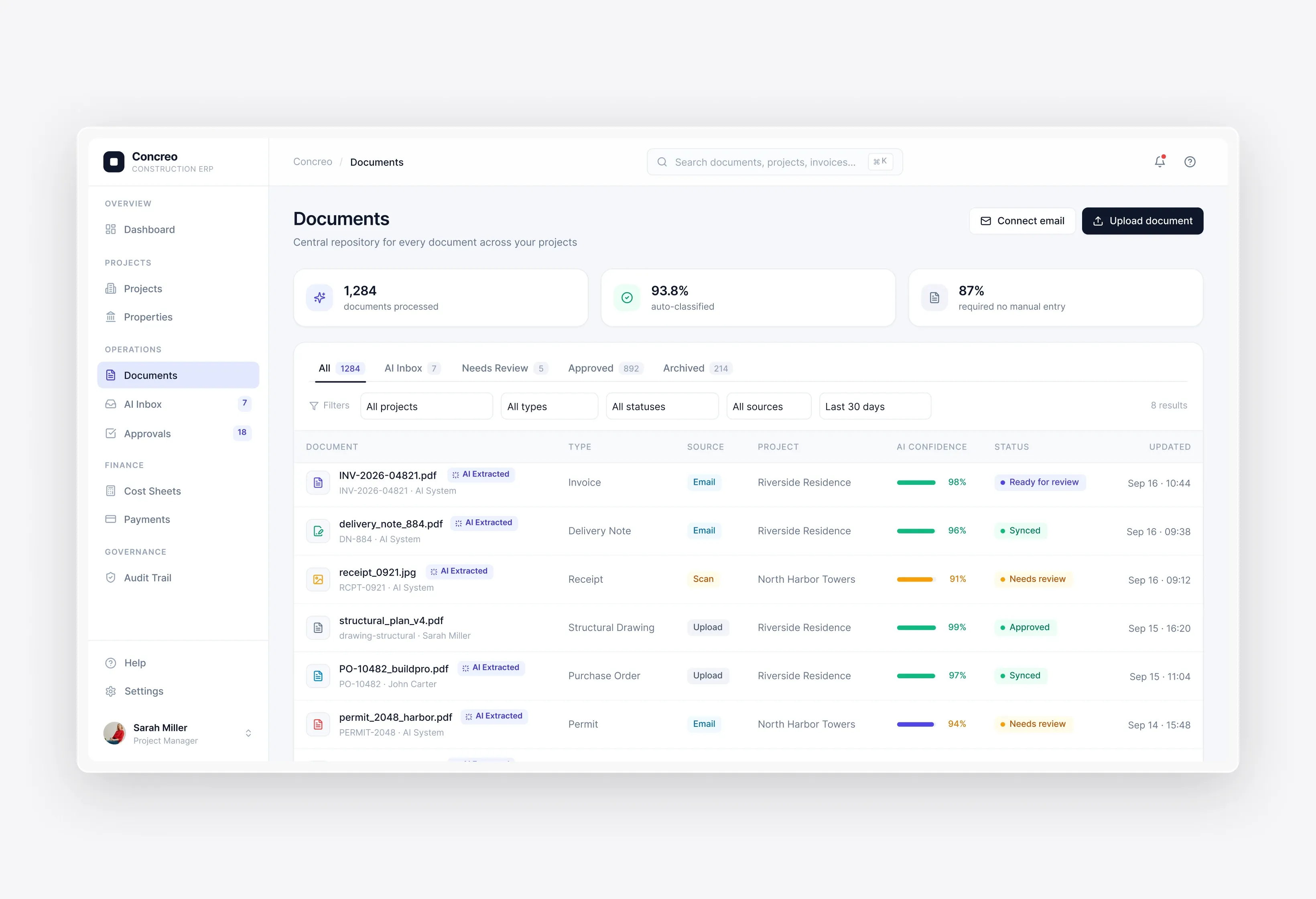
Centralized Repository
AI Extraction
Version Control
11+
Years of experience150+
Projects successfully delivered90%
Fewer manual double entries2x
Faster document turnaroundLeo Kudryavtsev
Founder & Principal Solution Architect, Softrange TechnologyDavid Park
CEO of Narada AIIncora always delivered on time and in many cases went above and beyond to build beautiful, robust UI interfaces for us.
Maysam Lavasani
CEO of Lexie.aiIncora developers are quite smart and great programmers. Both are top 10% of people I have worked with.
Daniel Bosch
Co-Founder, CampcruisersWe've hired a programmer from Incora, who is working on all our plug-ins. I'm very happy with the one developer we've been assigned.
Thomas Hambridge
CEO of Health ExploreThe map was designed and built in a short period of time and I was impressed with the results from the beginning.
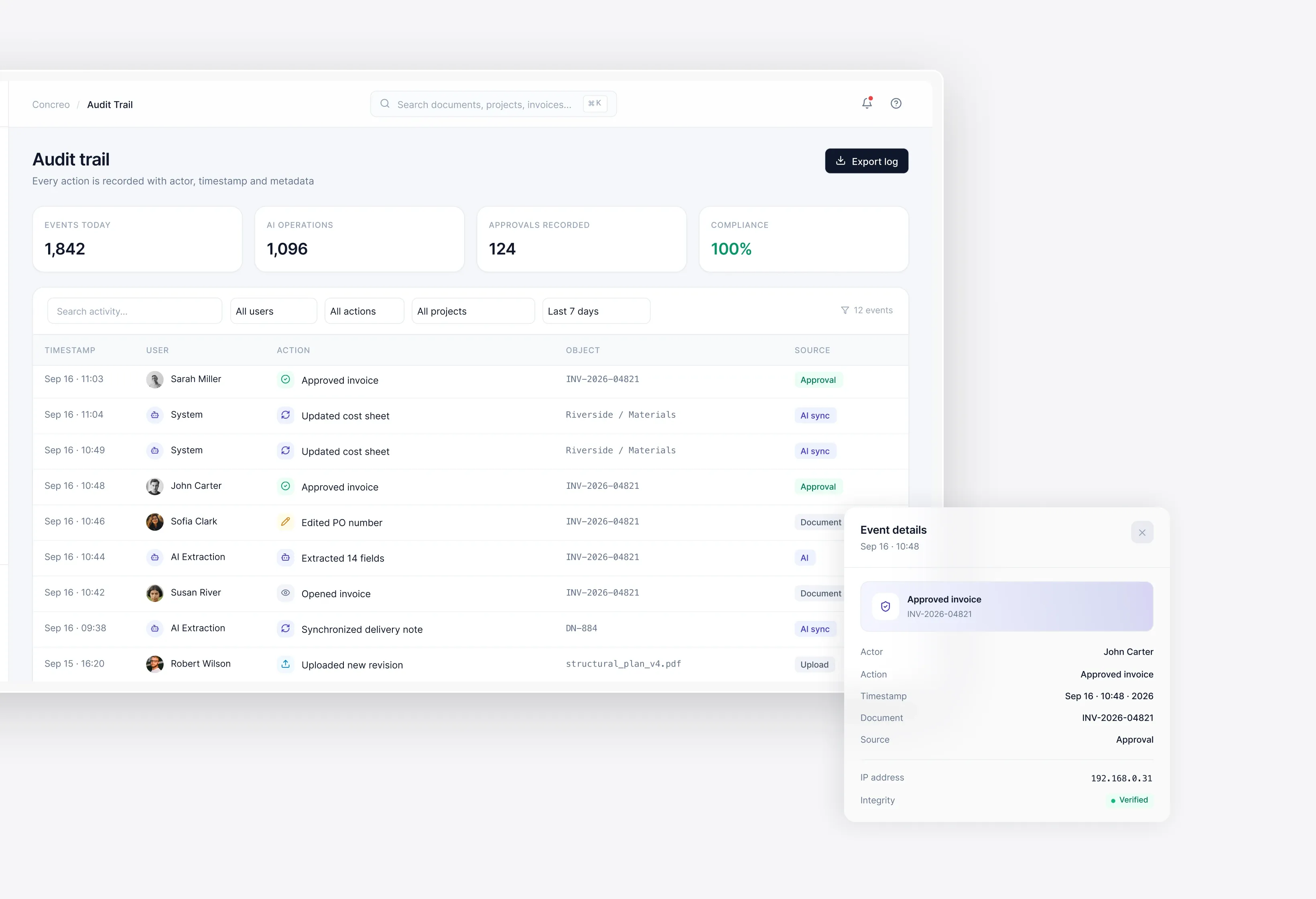
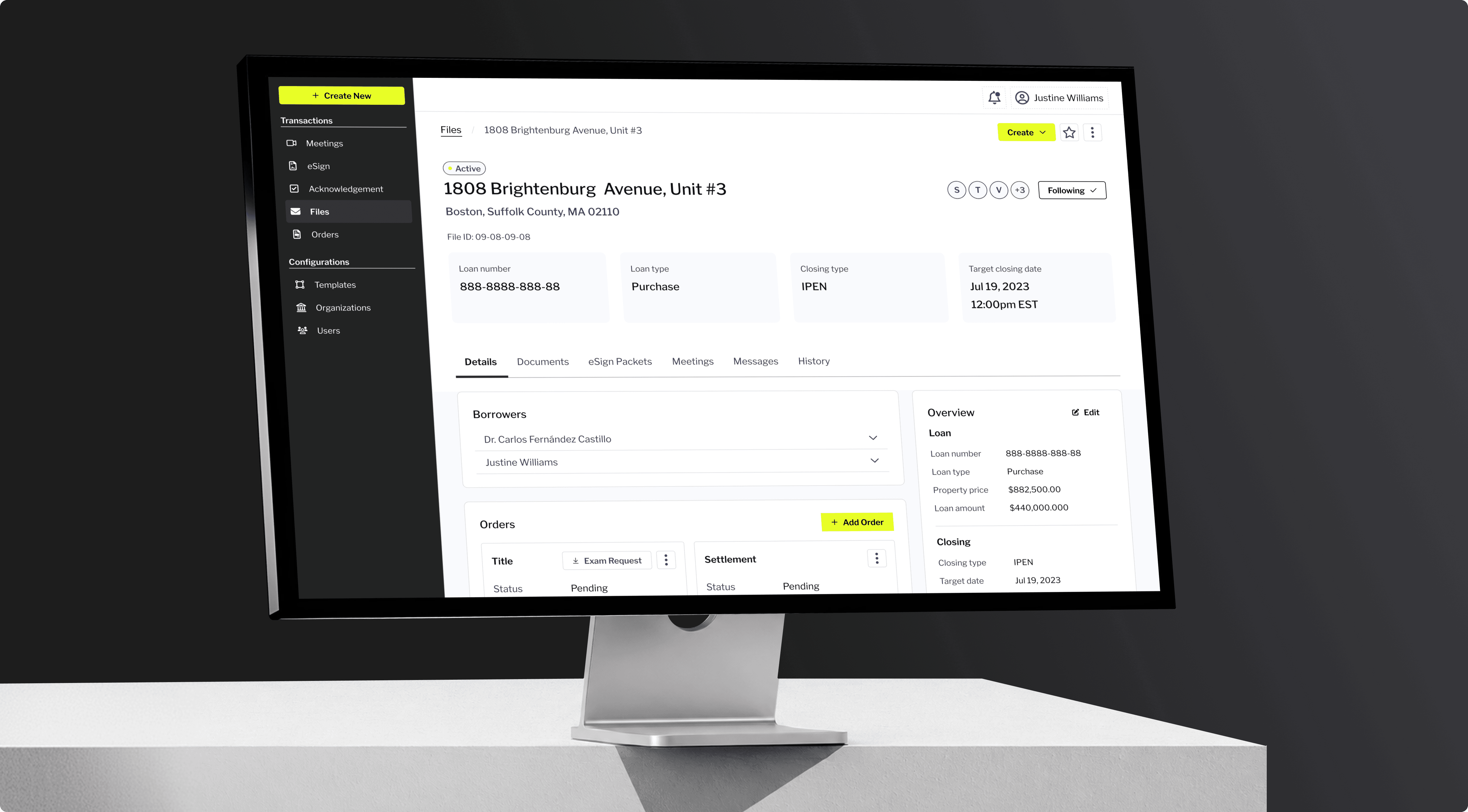
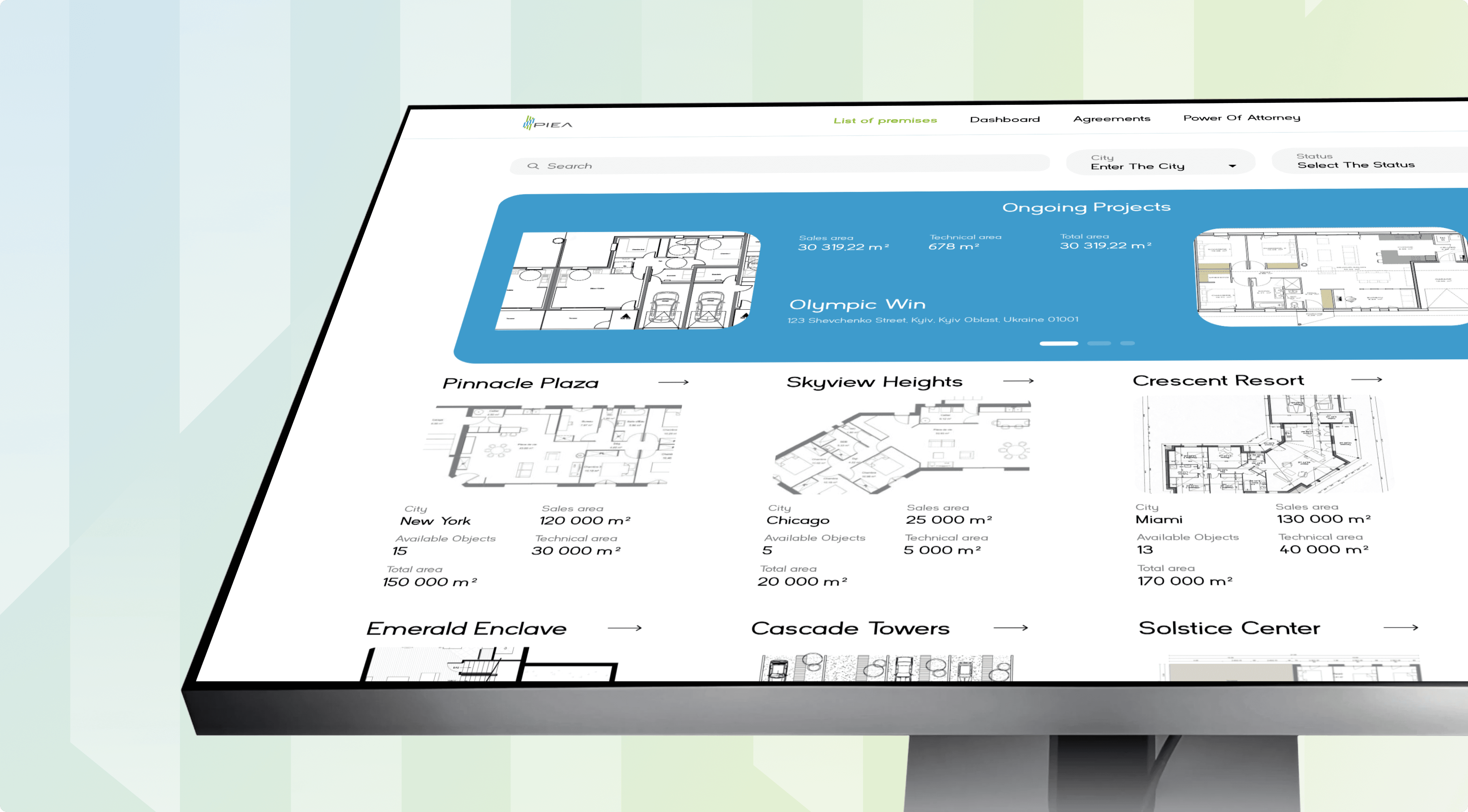
Construction document management software stores, versions, and routes every project file in one place, covering drawings, contracts, invoices, and RFIs. Teams use it to control which revision reaches the field, and modern versions also extract data from those files automatically.
The difference now sits in capture. Older systems ask a person to upload and tag each file, while document management software for construction with AI reads the file on arrival. Manual upload keeps the bottleneck with your site team; automatic capture from email moves that work to the model.
Storage alone was never the hard part. Naming discipline and version control fail when people are busy, and per-seat licenses look cheap until you add every foreman. A custom build prices the project instead of the headcount.
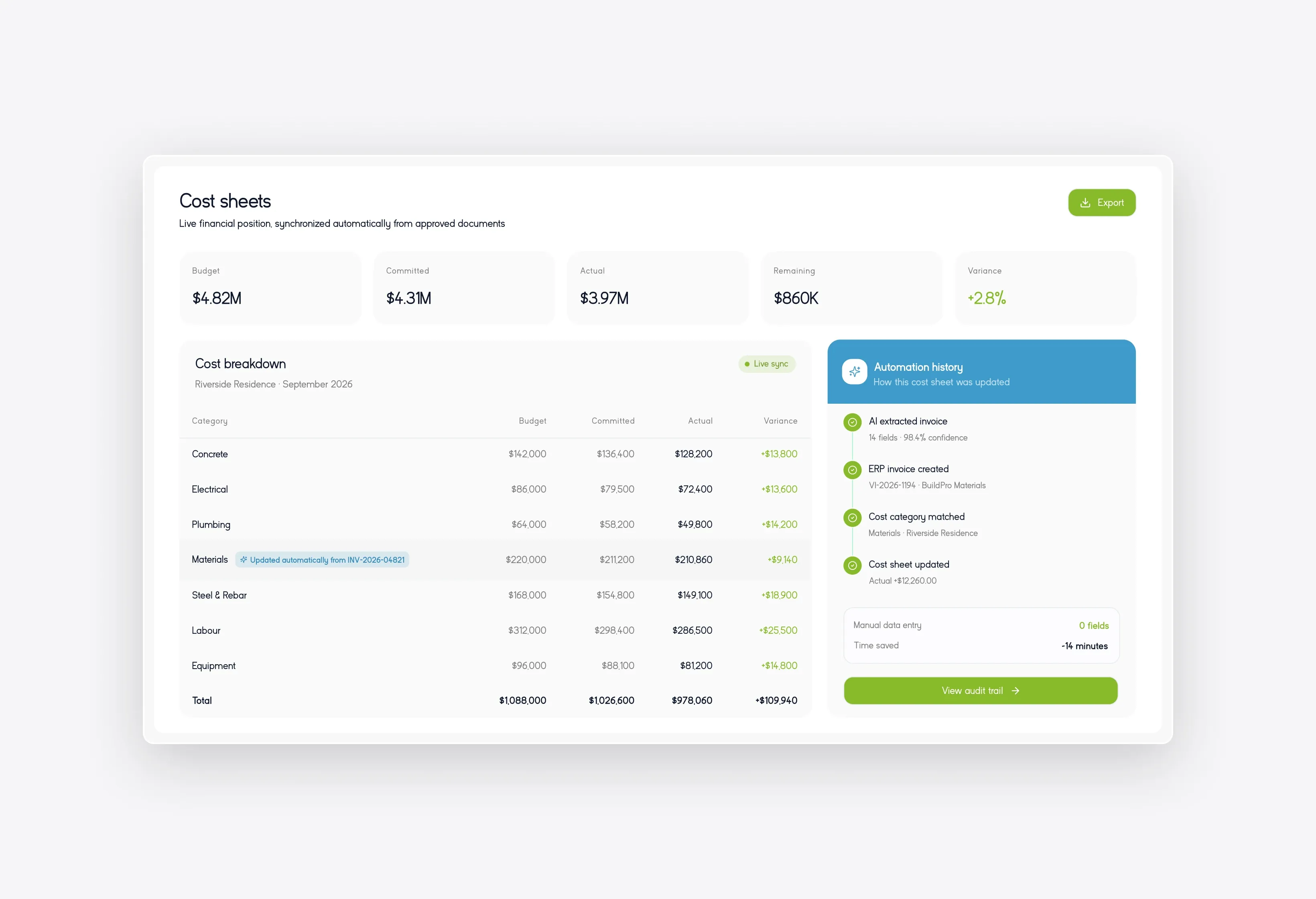
AI reads each incoming document, classifies it by type, and extracts named fields such as supplier, amount, and cost code. Those values post into your ERP after an approval rule runs, with construction document management sitting underneath as the storage and version layer.
Extraction runs in three passes. The model classifies the file, reads the fields, and checks them against your supplier list. Anything below your confidence threshold waits for a person, and you set that threshold per document type: invoices usually sit high, delivery dockets lower during the first month. Our guide to AI construction document review covers that logic in detail.
Accuracy then depends on your document mix. Clean digital invoices extract reliably from week one, while handwritten dockets need a training period on your own samples, and your corrections feed the model every week. Teams comparing document control software construction vendors should ask for accuracy on their own files, since a generic platform never sees your suppliers or your formats.
Yes. The system monitors nominated inboxes and cloud folders, and any new PDF, scan, or photo triggers extraction within seconds. Fields land in your cost model with an attached confidence score.
A watcher sits on each nominated inbox and folder, so photos from a phone follow the same path as email attachments, and nobody forwards anything to a separate address. Duplicate files match on supplier and invoice number, and the second copy links to the first instead of creating a record.
Two limits are worth knowing. Very poor scans still need a human check, and password-protected supplier portals need credentials or an API key; we handle both during scoping. Buyers evaluating document control software construction teams will actually use should test the worst files first, so send us a sample batch, and we will show the extraction rate.
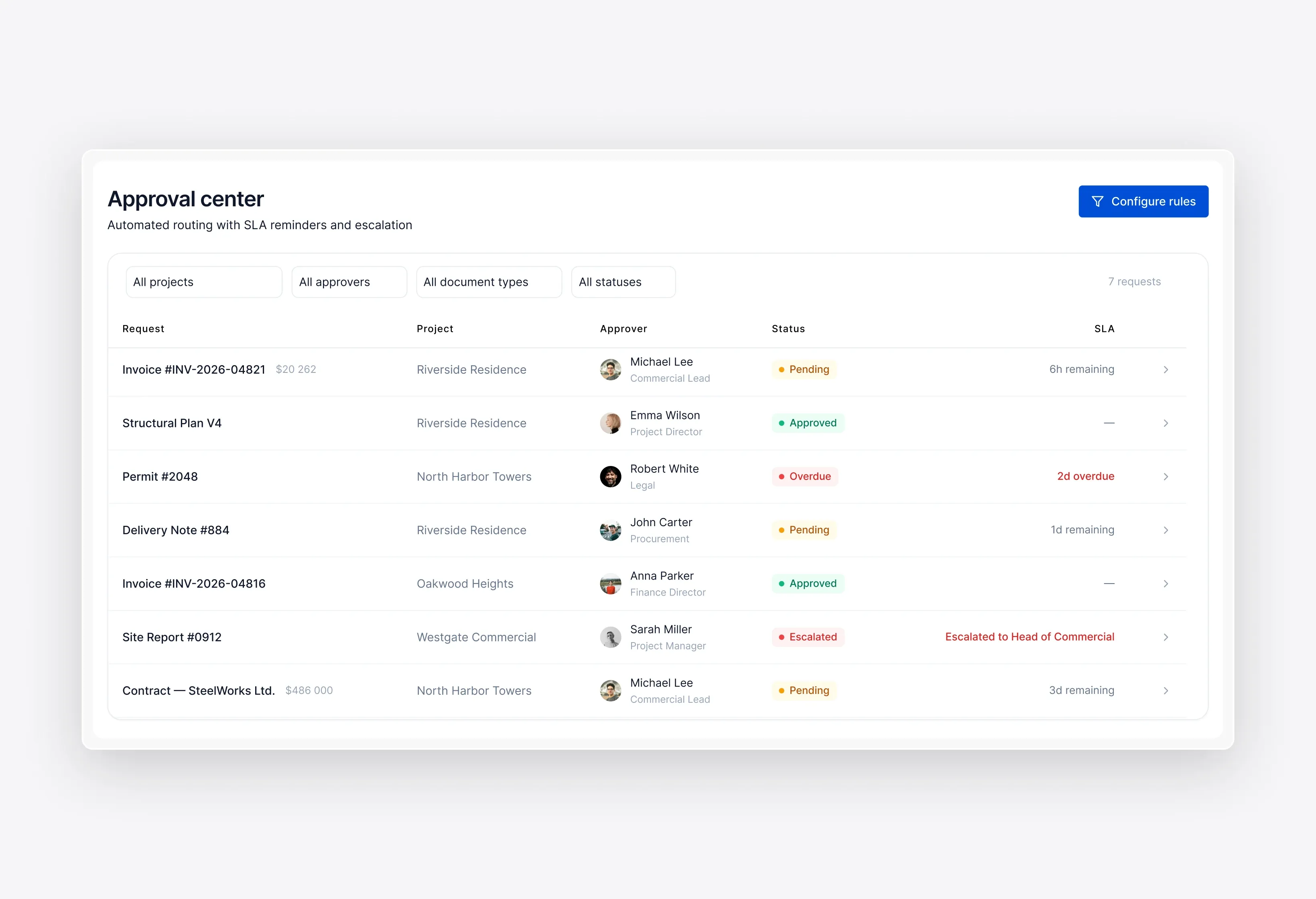
Those platforms give you a fixed workflow and a per-seat price. A custom build matches your approval chain and naming conventions and connects to the ERP you already run, where construction project document management software from a vendor rarely bends that far.
The honest tradeoff is start time. A platform runs in days, while a custom build takes weeks of scoping and integration work. Everything after that point favors the custom route: your cost never grows with headcount, and your data stays in your own database.
Unlike off-the-shelf construction document control software, your solution evolves around your workflows and integrations. Most clients come to us after a platform blocked one critical integration, and that workaround usually costs more than the build.
Yes. We build connectors for Gmail, Outlook, and SharePoint, and ERP work covers SAP and Sage through their published APIs. Older on-premise systems connect through a middleware layer we write, so nothing in your current stack needs replacing.
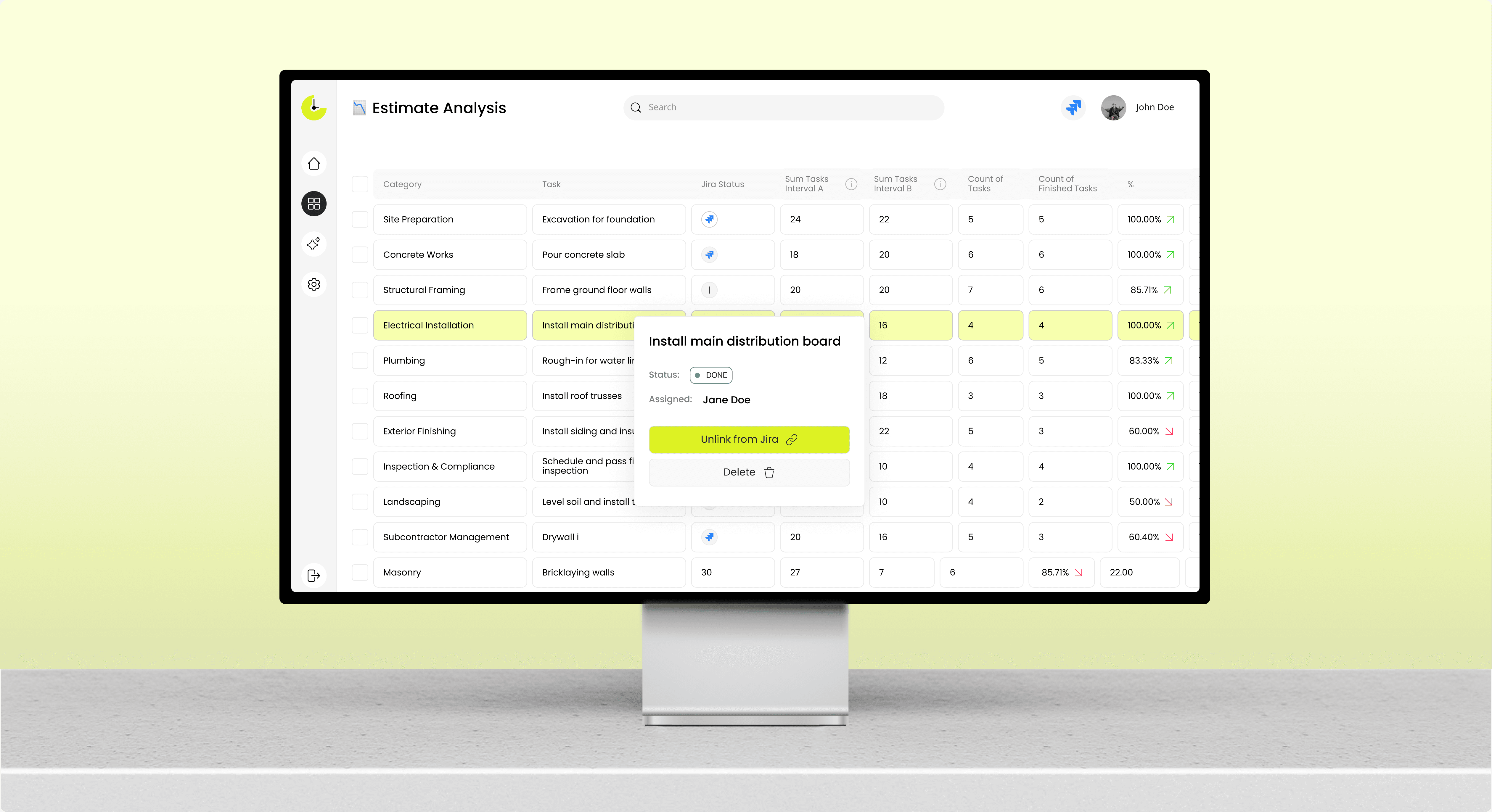
Integration effort drives most of the timeline, and any document control software for construction depends on what your ERP exposes. A documented API takes days to wire; a legacy system without one takes weeks of reverse engineering. Getting this right is what keeps a BOQ in construction readable to your commercial and site teams at once, since both work from one synced record.
Sync direction matters as well. One-way writes are simpler and cheaper to build, while two-way sync needs conflict rules for records edited in both systems. Agree those rules with your finance lead early, since they decide which system wins on a clash, and you get the connector code with the build.
Bring one live project and we will map the capture points to your data flows before you commit to a build.



![How AI Negotiation Agents Improve Construction Procurement [And Why Do You Need It]](https://incora-uploads.s3.us-east-1.amazonaws.com/Cover_392b578d2f.webp)


