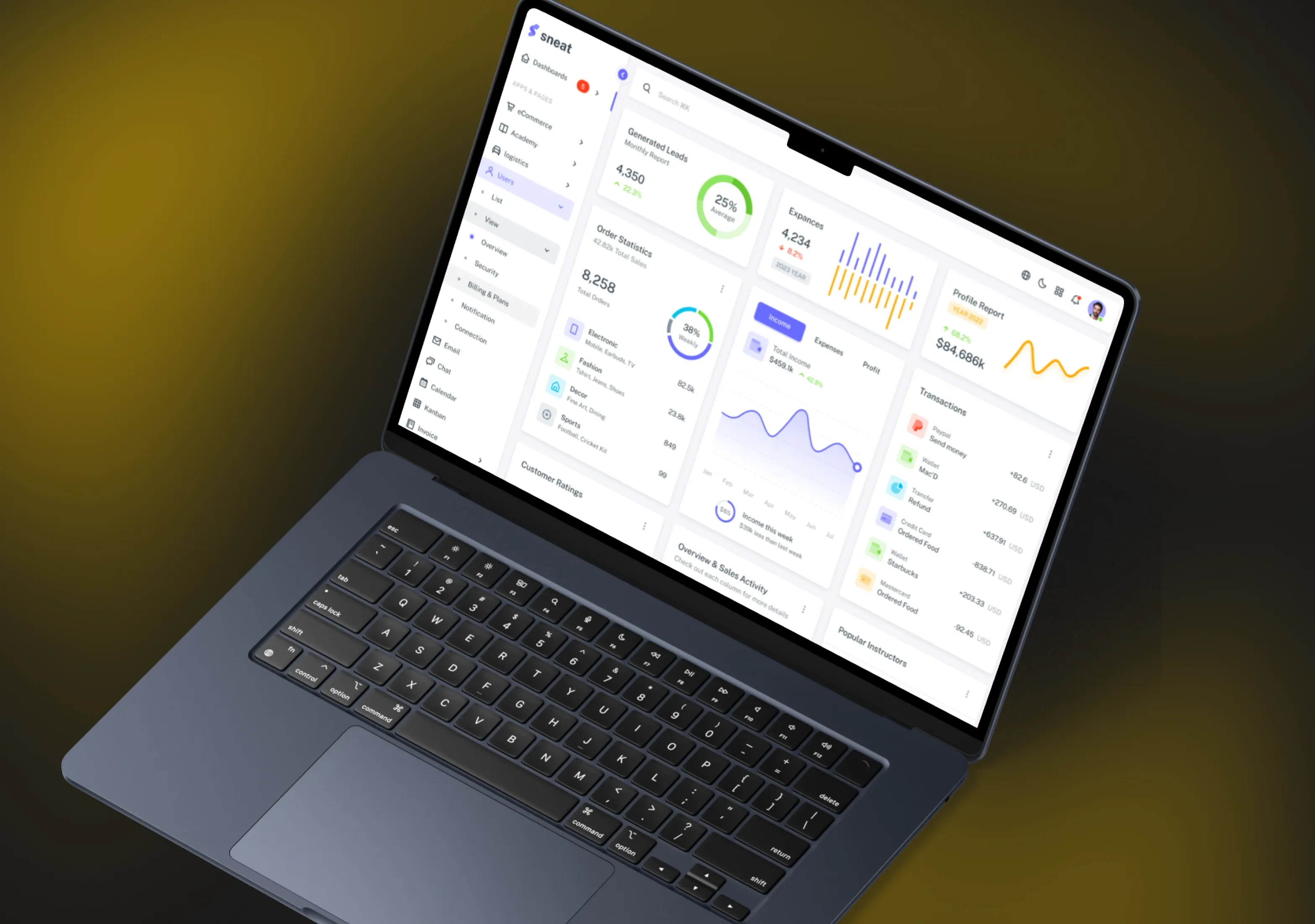


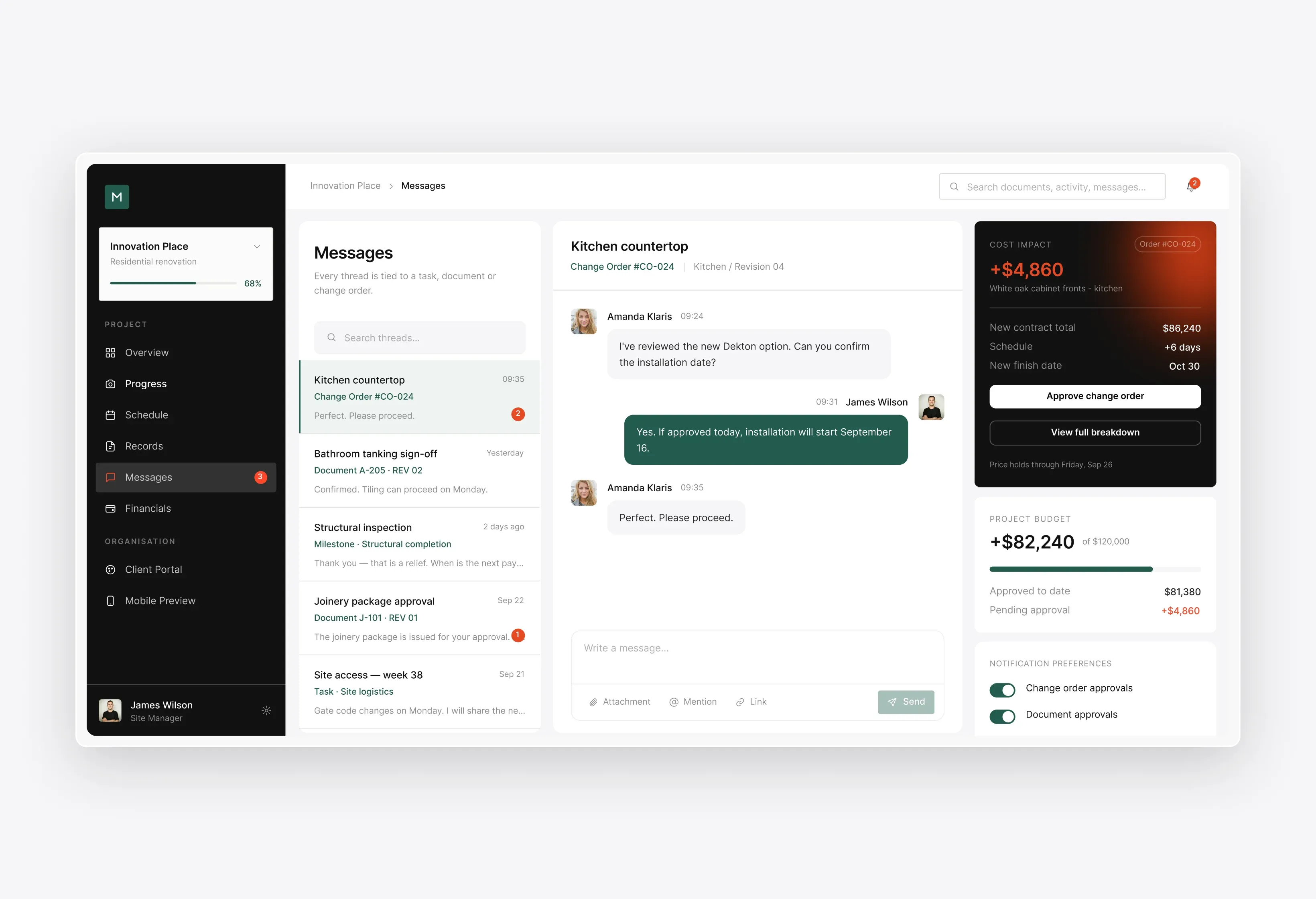
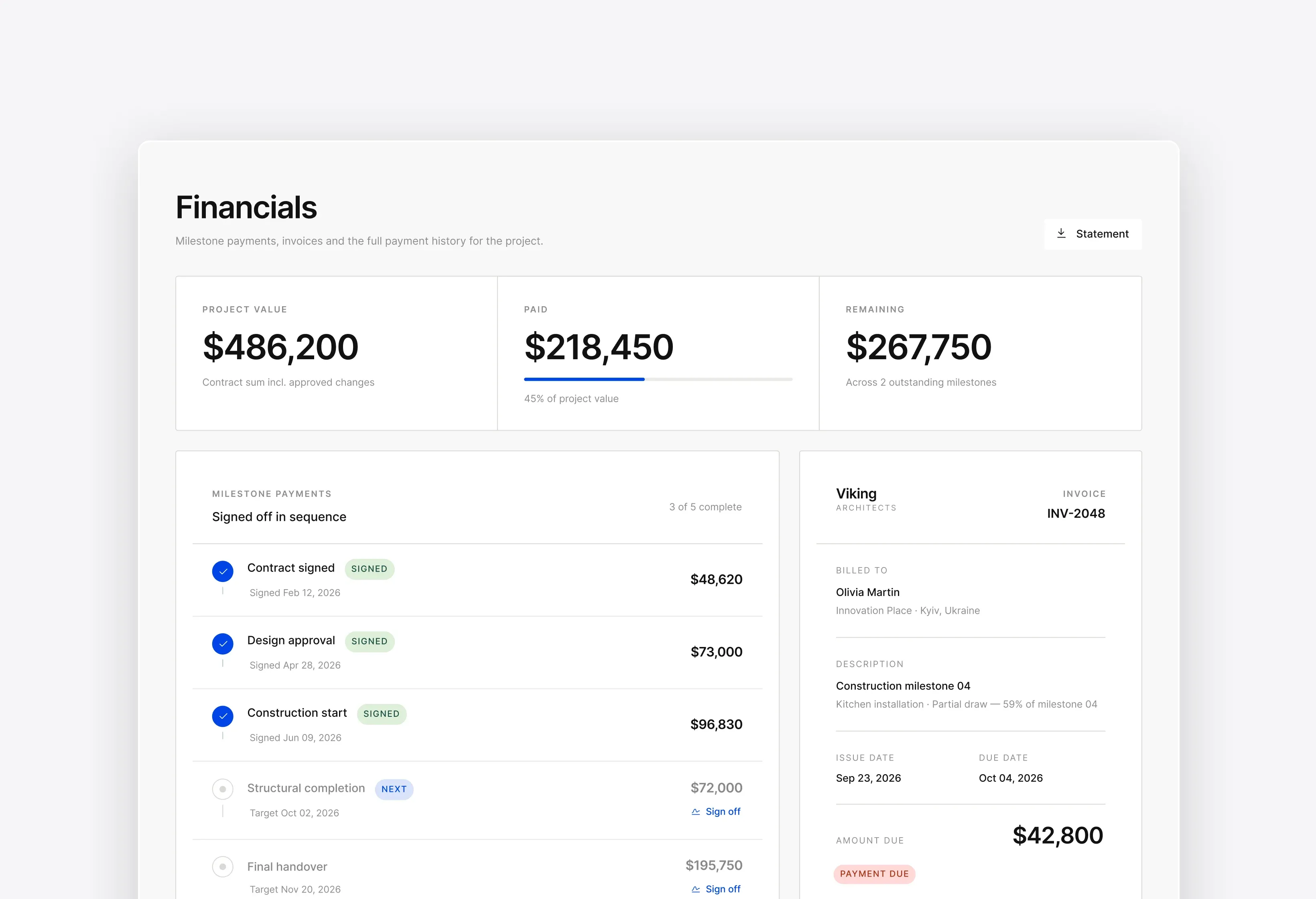
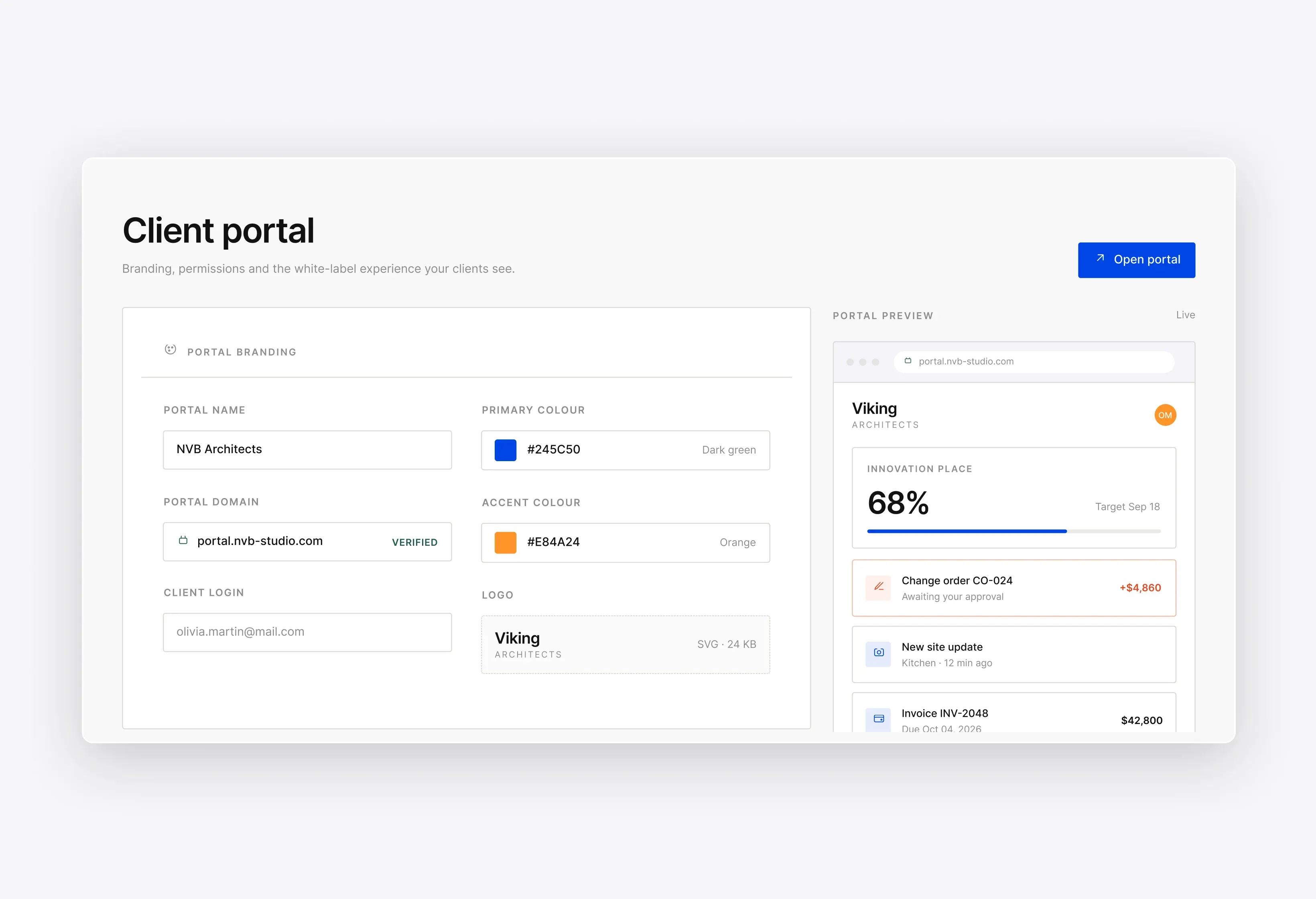
Real-Time Progress & Photo Feed
Real-Time Progress & Photo Feed
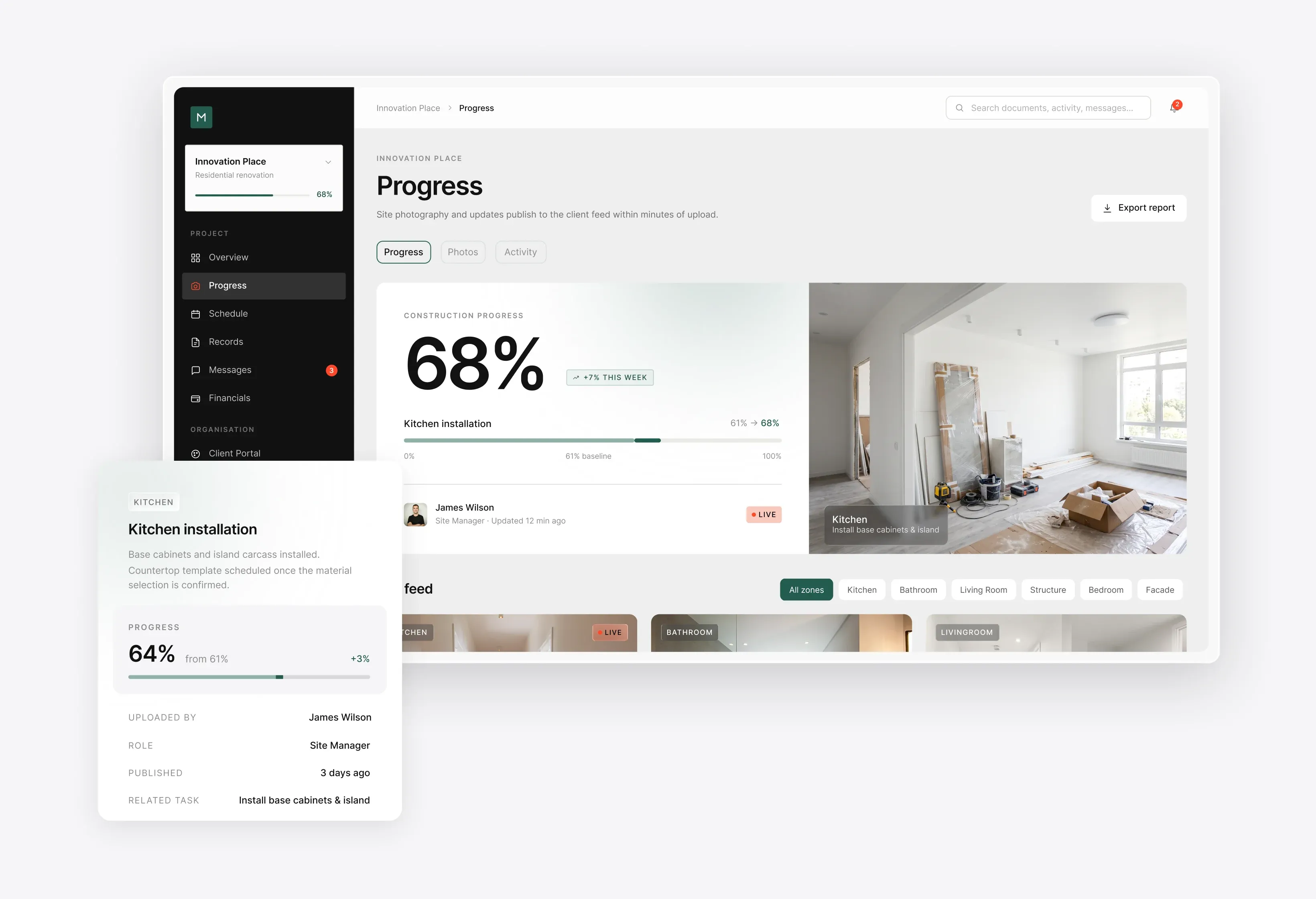
Live Cost Impact
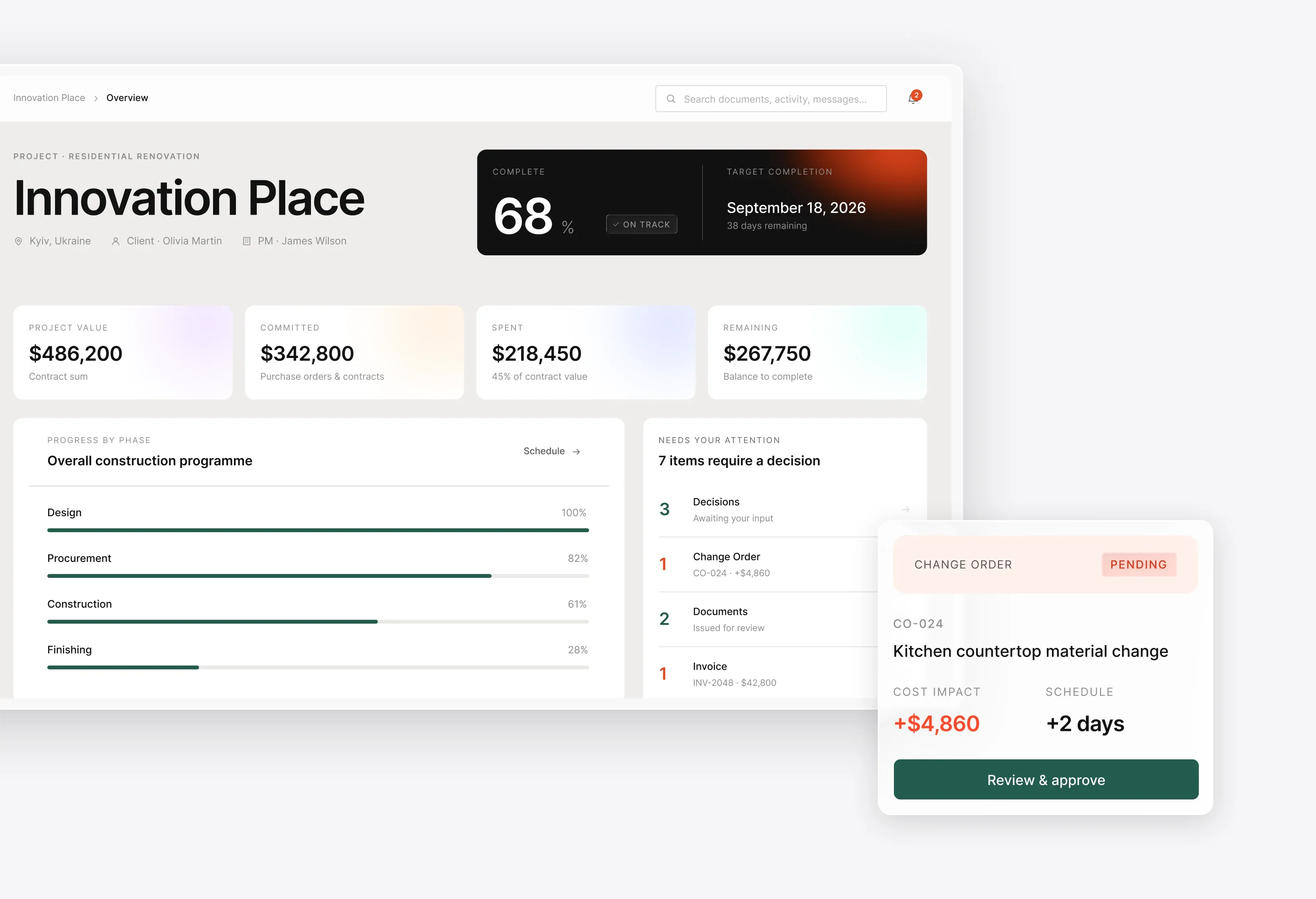
Shared Decision Log
11+
Years of experience150+
Projects successfully delivered40%
Fewer status calls and update emails50%
Higher client satisfaction scoresLeo Kudryavtsev
Founder & Principal Solution Architect, Softrange TechnologyDavid Park
CEO of Narada AIIncora always delivered on time and in many cases went above and beyond to build beautiful, robust UI interfaces for us.
Maysam Lavasani
CEO of Lexie.aiIncora developers are quite smart and great programmers. Both are top 10% of people I have worked with.
Daniel Bosch
Co-Founder, CampcruisersWe've hired a programmer from Incora, who is working on all our plug-ins. I'm very happy with the one developer we've been assigned.
Thomas Hambridge
CEO of Health ExploreThe map was designed and built in a short period of time and I was impressed with the results from the beginning.
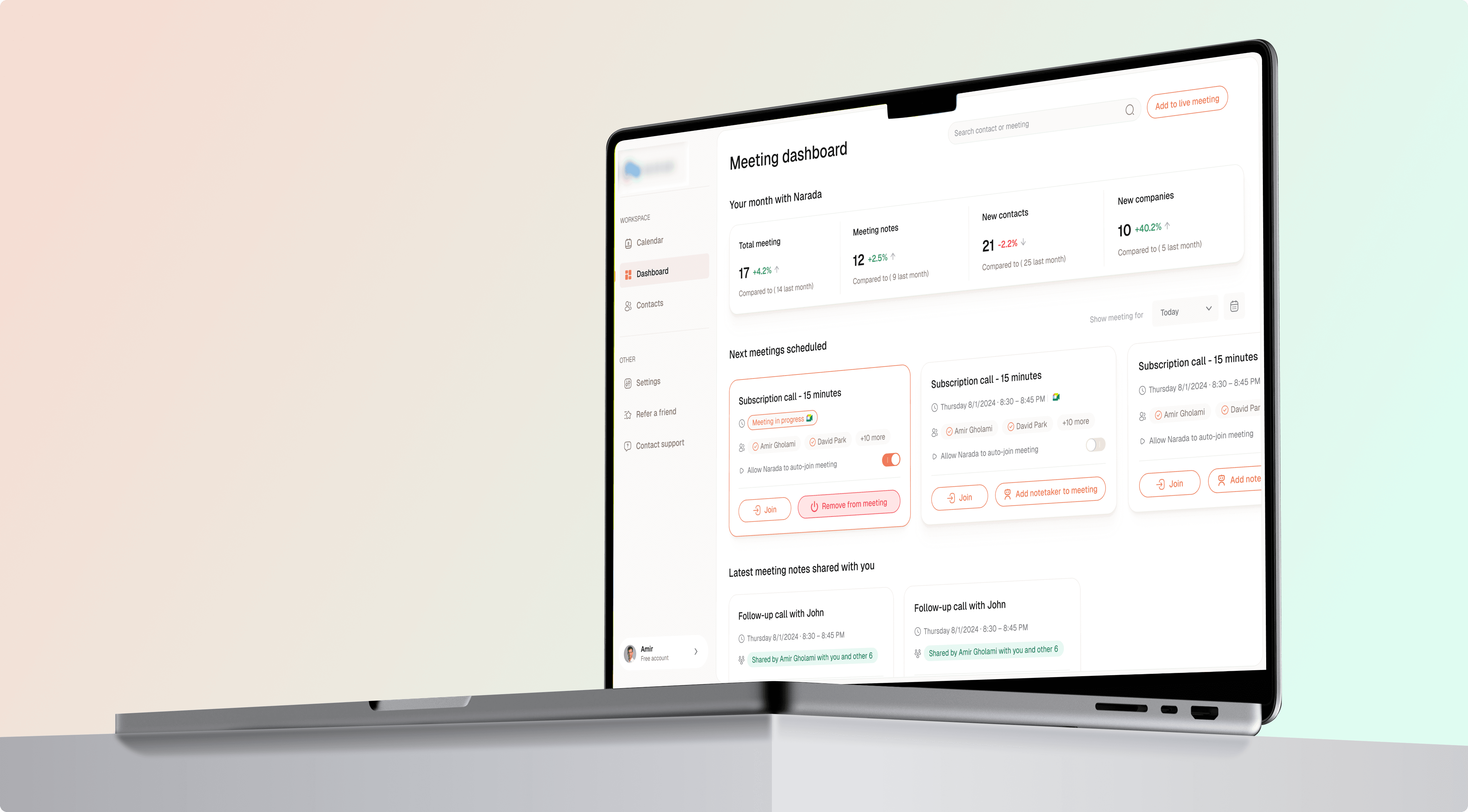
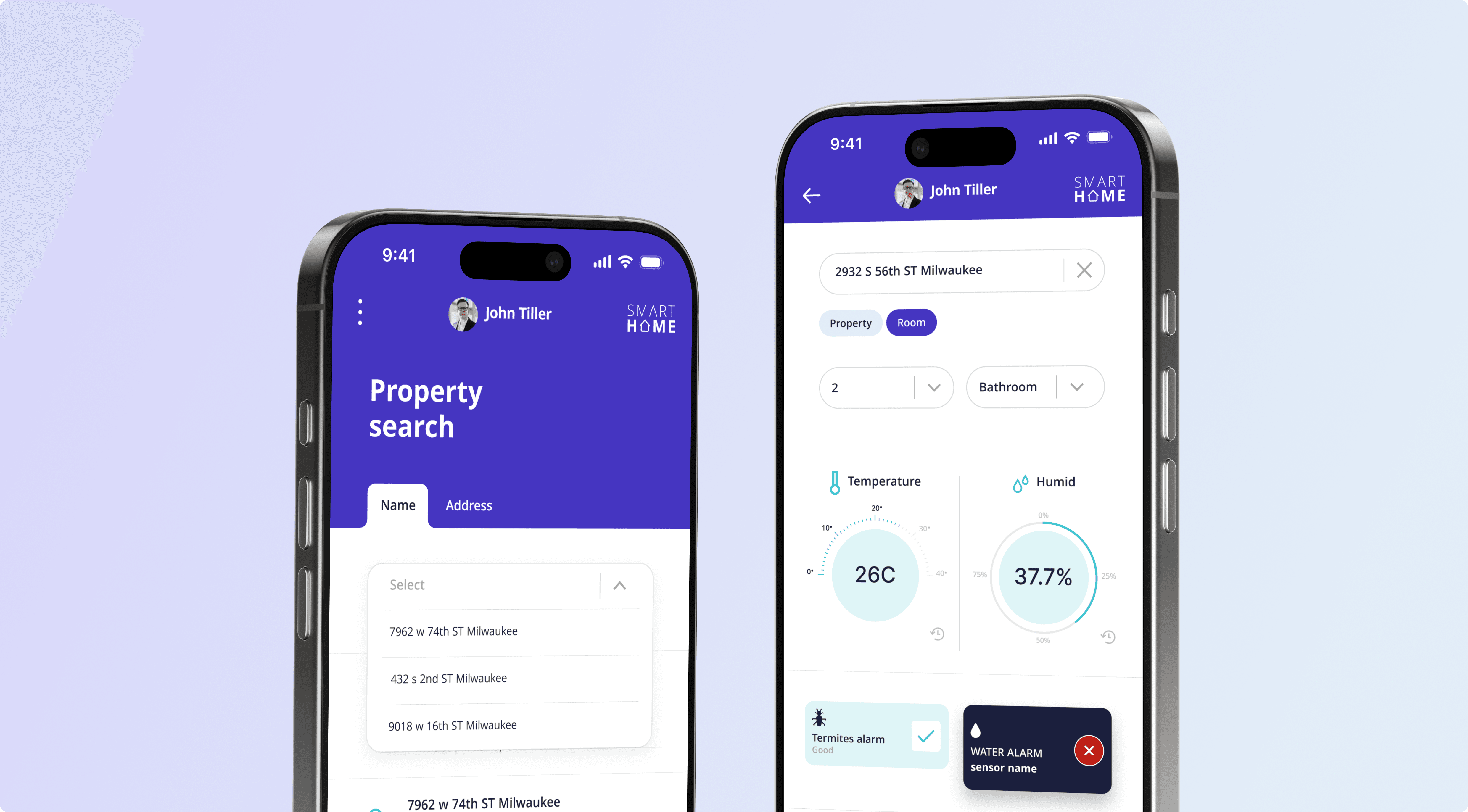
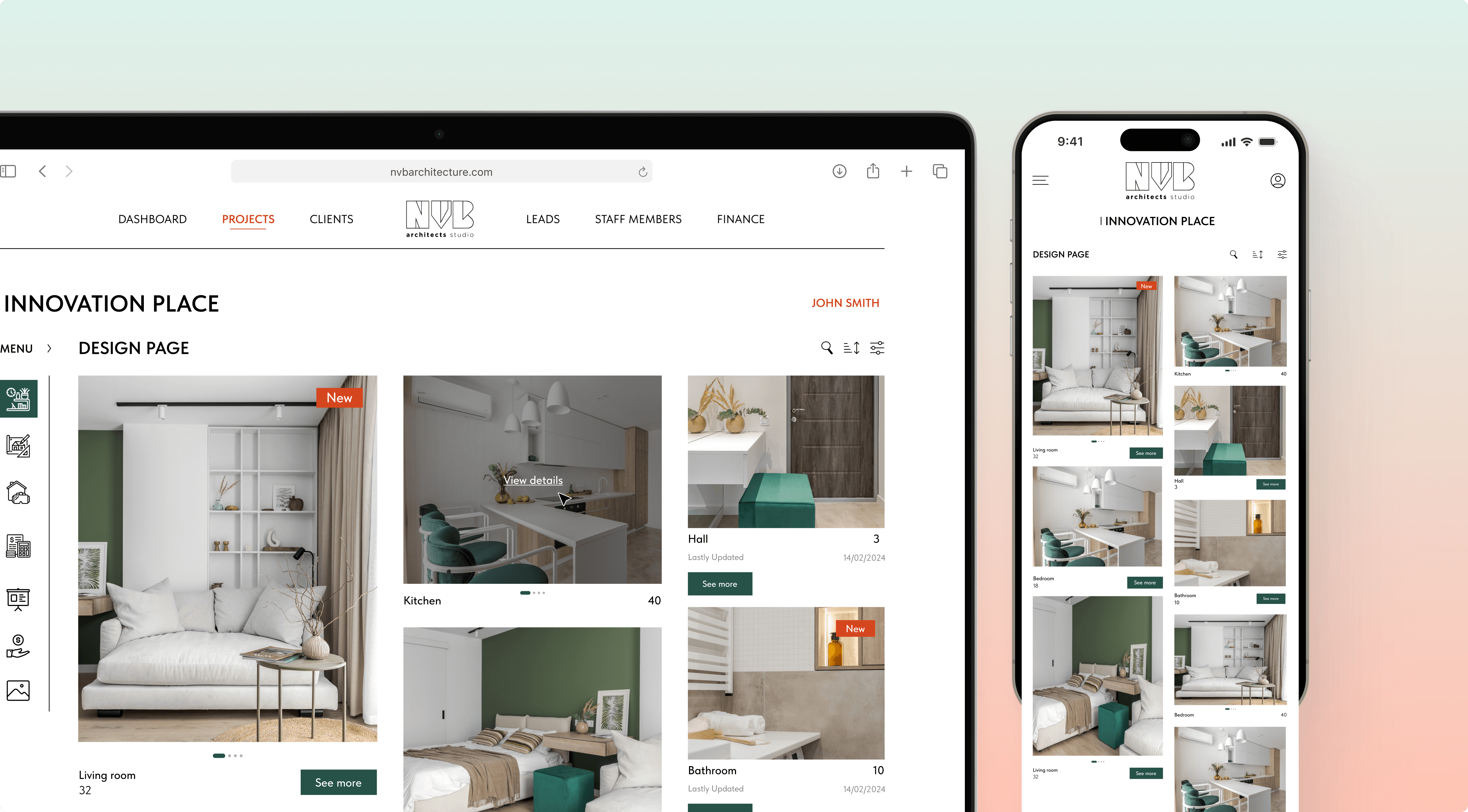
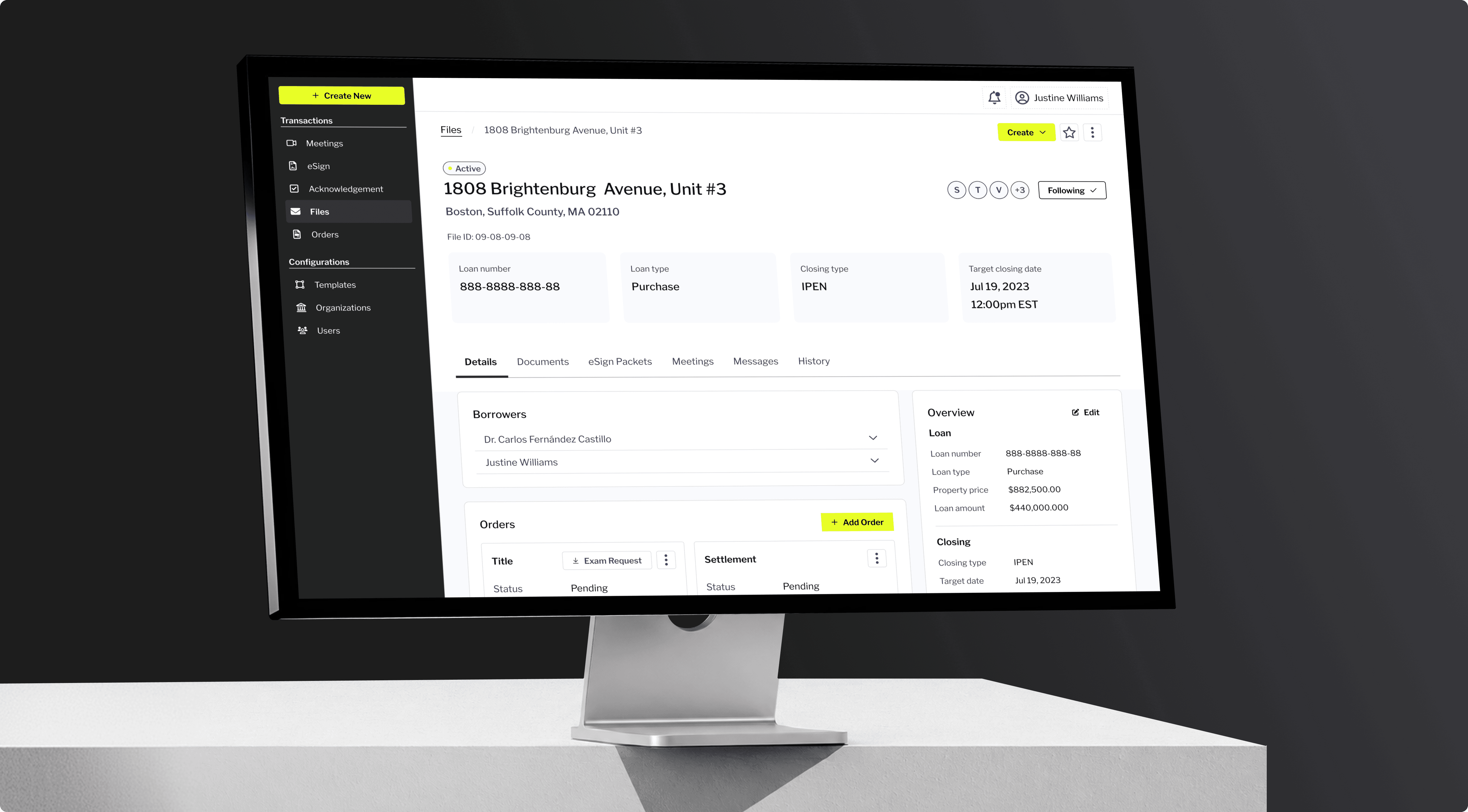
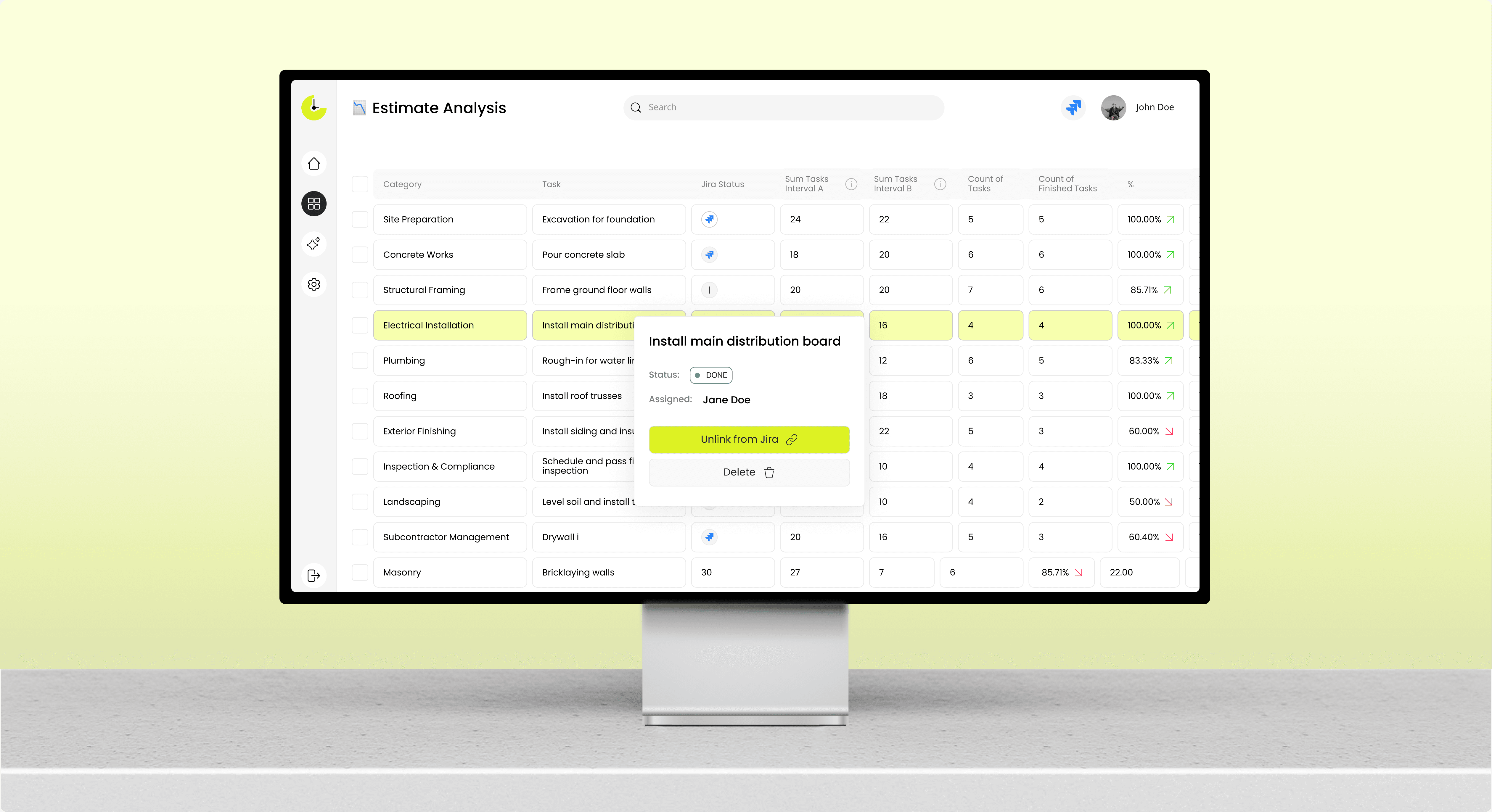
A construction client portal is a secure, branded space where your client sees live progress, photos, documents, change orders, and payments for their own job. It replaces scattered email updates with one shared record.
Underneath, it is an access layer over your existing systems: progress and documents flow one way, approvals and comments both ways, with permissions deciding what each client sees.
That same layer can power conversational AI for construction reporting, so your internal updates come from the same data. Cost sits in integration rather than per-seat licensing, and the tradeoff is time, since a portal on your own data model takes weeks to configure, while a template can go live the same afternoon.
Live progress with photos, a document and selections library, change orders with cost impact, messaging, invoices with milestone sign-off, and role-based permissions. A generic client portal builder that only moves files leaves half of that back on email.
The list is fixed because clients abandon a portal the moment one answer lives outside it. Good construction client management software has to cover the construction process from start to finish, not a slice of it, closing the loop from seeing the work to paying the milestone. Cut scope to launch faster, and you ship a photo gallery your PMs still explain by phone.
Yes. The client sees the priced variation, its schedule effect and the revised contract total before signing.
Mechanically, the change order is raised in your budget system and mirrored to the portal with only client-facing fields exposed. Approval writes back committed cost and programme dates, then notifies the QS and site team. In a general contractor client portal, the tradeoff is governance: decide which variations a client approves directly and which need internal pricing first, or approvals outrun your cost control.
Yes. Access is set per user, per project, and per document, so a client sees their own job and nothing about your margin.
Enforcement sits server-side on every request, with SSO or MFA on login and an audit log recording who opened which document and when. Hosting runs in your own cloud tenancy where contracts require it. In a home builder client portal, the cost of that control is administrative: someone owns the permission matrix, and access from finished projects has to be revoked on a schedule.
Buildertrend and Houzz Pro give you a fixed portal on their data model, charged per user each month. A custom construction client portal runs on your own systems, with a one-time build cost.
The dividing line is contract fit. Packaged tools assume a residential workflow, so teams with staged payments, retainage, or joint-venture reporting end up working around the product. The effective client communication construction teams can sustain depends on that fit, and a custom build is where innovation in the construction industry actually reaches your projects, at the price of longer setup and a maintenance owner.
Bring one live project and we will map the portal to your data flows before you commit to a build.