

Tech Consulting
Backend Development
Fronted Development
UI/UX Design
Software QA & Testing
DevOps Services
Custom Software Development
Legacy App Modernization
Saas Development
Business Process Automation
Startup Development
Rapid Product Development For Startups To Scale Quickly
Al & Emerging
Al, Voice, And Blockchain Solutions
Team Extension
Dedicated Team
Real Estate
Smart Home Systems And
Property Management
Fintech
Booking Systems
Construction
Management Systems
Delivery & Shipping
Manufacturing
Supply Chain
Energy
Healthcare
Edutech
IT Tools
React.Js Developers
Three.Js Developers
Next.Js Developers
JavaScript Developers
Vue.Js Developers
Redux Developers
Angular Developers
Node.Js Developers
GoLang Developers
Full Stack Developers
Python Developers
NestS Developers
Flask Developers
Express.Js Developers
Django Developers
MERN Stack Developers
AWS Developers
DevOps Engineers
Azure Developers
Google Cloud Developers
Cloud Engineers
Data Engineers
Data Pipelines And Warehouse Design
WebRTC Developers
QA Engineers
Offshore Developers
ERP Developers
Saas Developers
Hire Terraform Developers


Hire Terraform Developers for Custom Solutions
Terraform work splits into two distinct tracks: building infrastructure from code and maintaining it under load. Incora covers both — from initial module architecture through ongoing automation, security hardening, and cost governance.
Why Choose Incora to Hire a Terraform Developer?
72%
4-hour
94%
2-week
35%
Hire Terraform Experts for Modern Infrastructure Solutions
Tools and Technologies We Use
01Core IaC authoring, remote state management, and policy enforcement across complex multi-module project structures.
Infrastructure as Code and Terraform Ecosystem
- Terraform
- Terragrunt
- Packer
- Sentinel
- CDK for Terraform
02Multi-cloud resource provisioning with provider-specific configuration patterns and compliance controls applied at the module level.
Cloud Platforms and Infrastructure Providers
- AWS
- Azure
- GCP
- DigitalOcean
03Pipeline tooling that automates plan, review, and apply operations across GitOps workflows and traditional CI environments.
CI/CD, Automation, and DevOps Tools
- GitHub Actions
- Jenkins
- Atlantis
- ArgoCD
- Ansible
Hire Our Terraform Developers
Not sure who's the right fit?
Not sure who's the right fit?

Infrastructure (IaC) Engineer

Platform / SRE Engineer

DevOps Engineer

Cloud Solutions Architect

AWS Cloud Engineer

Azure Cloud Engineer

GCP Cloud Engineer

Tech Lead / Software Architect
Engagement Models to Hire Terraform Developers
Staff Augmentation
$5,000+
On-demand IaC specialists
Direct team integration
Flexible contract duration
No minimum headcount
Managed Team
$10,000+
Dedicated cross-functional team
Technical leadership included
Sprint-based Agile delivery
Full IaC lifecycle coverage
Managed Project
$20,000+
Fixed scope or T&M
Single point of contact
Risk-managed delivery
Post-launch support included
Industries We Transform
High availability
Audit trails
Secrets management
Solutions We Build
Infrastructure as Code (IaC) Platforms
Multi-Cloud and Hybrid Cloud Environments
Automated Infrastructure Provisioning Systems
CI/CD Infrastructure Automation
Scalable and High-Availability Architectures
Environment Replication and Management
Cloud Migration and Infrastructure Modernization
Cost-Optimized Cloud Infrastructure
Our Success Stories
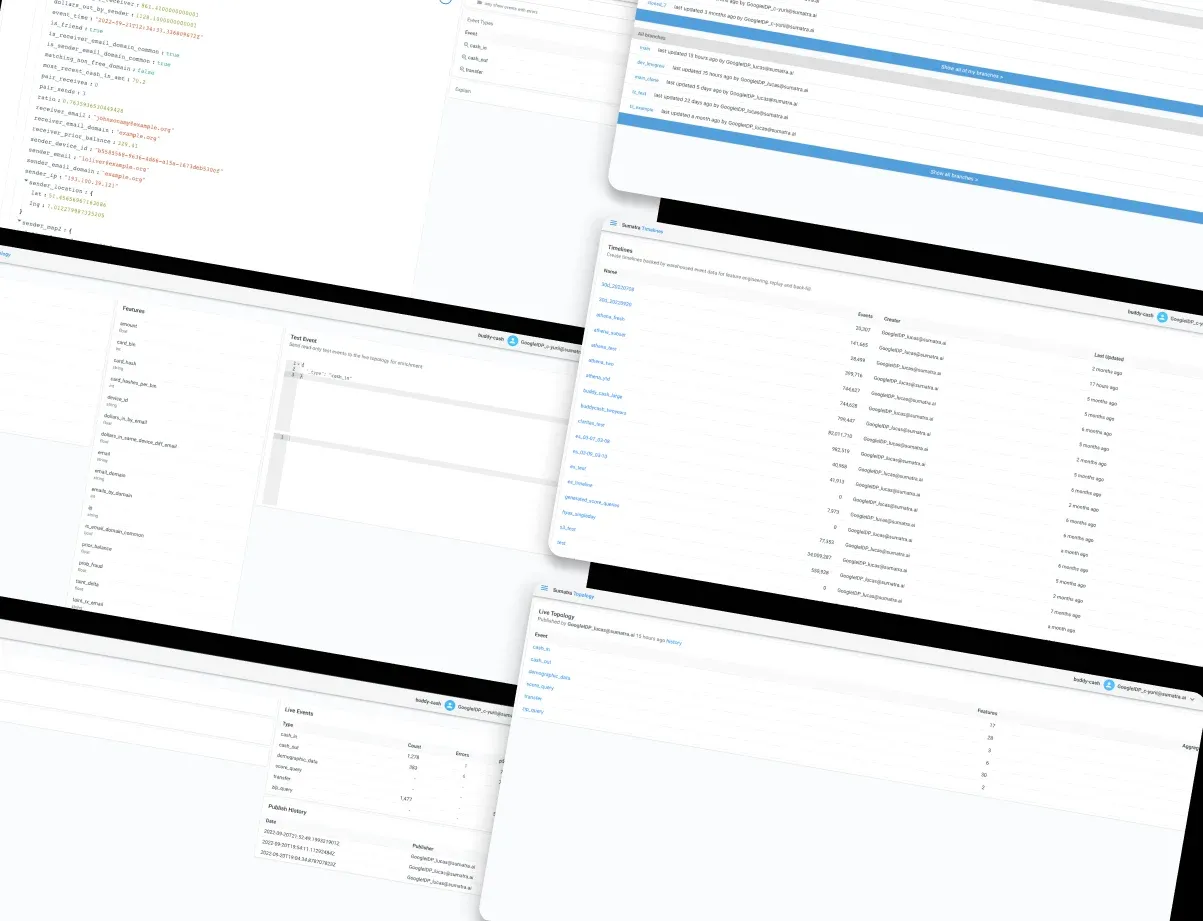
Dev ToolsTexas, USA
Sumatra
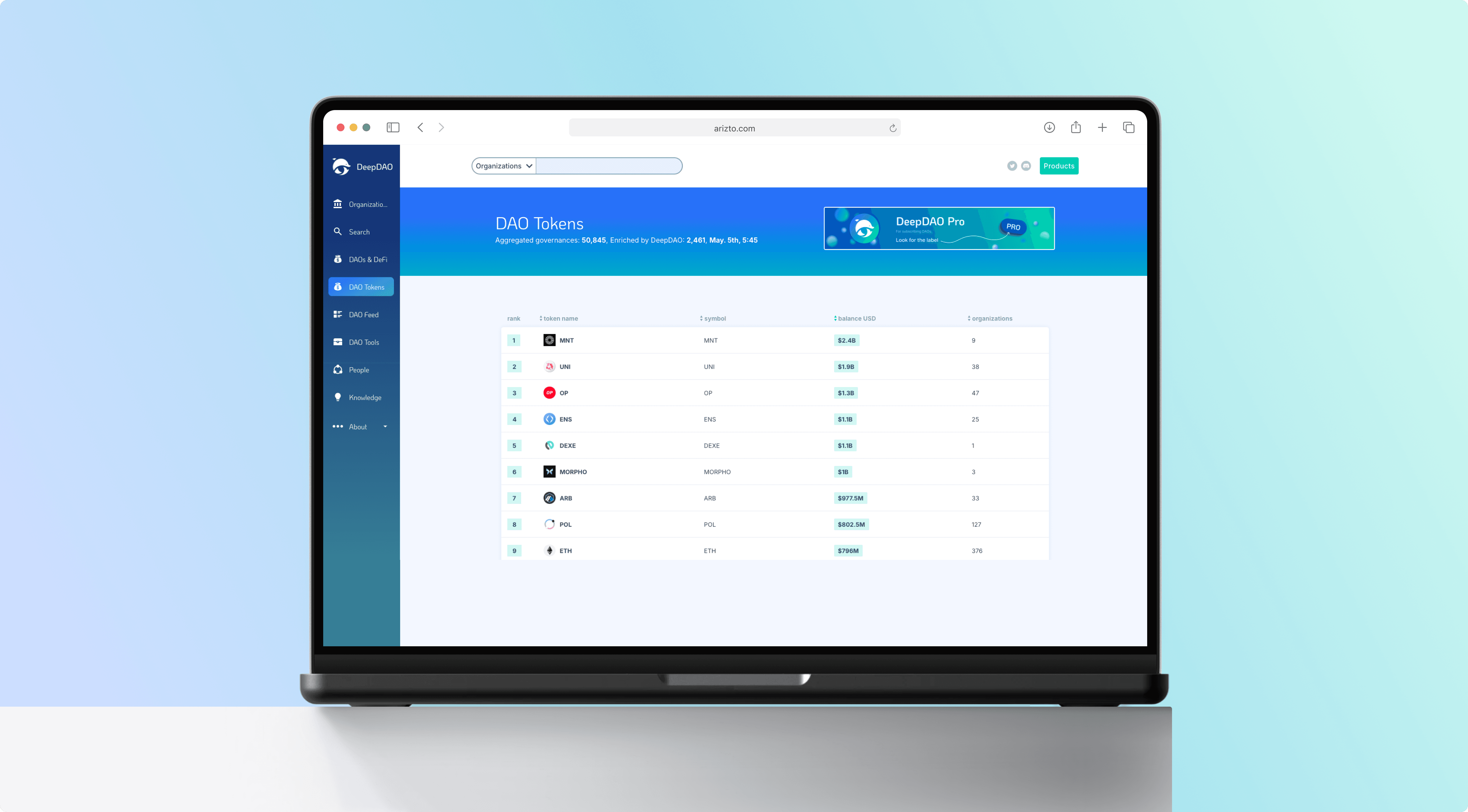
CryptoTel Aviv, Israel
DeepDao
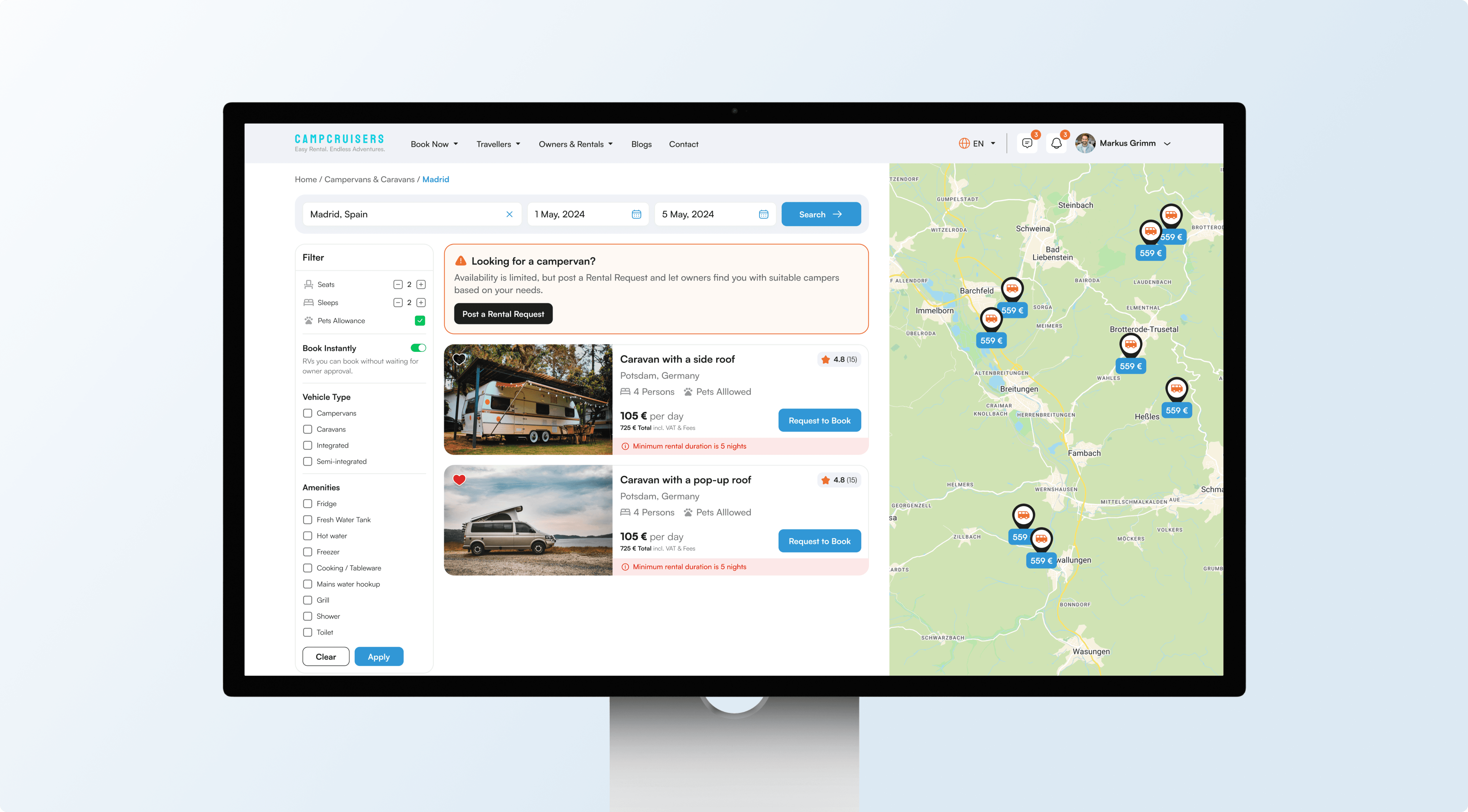
Management SystemsBerlin, Germany
CampCruisers
Additional Services to Strengthen Your Infrastructure as Code Strategy
DevOps & Infrastructure Automation
Cloud Platforms & Infrastructure
Backend & Cloud-Native Applications
Process of Vetting and Hiring Terraform Developer
Step 01We start with a structured intake covering your current cloud architecture, IaC maturity, and any existing Terraform codebase. Seniority requirements map directly to your infrastructure complexity and delivery timeline.
Define Infrastructure and IaC Requirements
- Infrastructure audit and gap assessment
- IaC maturity review
- Seniority and timeline mapping
- Engagement model recommendation
Step 02Every client who wants to hire a remote Terraform developer gets matched from a pre-vetted pool, filtered by cloud provider experience, module depth, and active certification. Only candidates matching your infrastructure layer reach the shortlist.
Source Terraform Developers with Relevant Experience
- Pre-vetted Terraform specialist pool
- Cloud provider experience filtering
- Module complexity screening
- Certification verification
Step 03Candidates complete a structured evaluation covering state management, module architecture, and CI/CD pipeline integration. Live assessments replace generic algorithmic coding tests.
Validate Terraform and DevOps Expertise
- State management depth assessment
- Module architecture review
- Live problem-solving session
- CI/CD pipeline evaluation
Step 04You interview shortlisted candidates with a full technical context provided in advance by Incora. Most engagements reach final selection within 5 business days.
Align with Your Team and Infrastructure Goals
- Facilitated interview scheduling
- Evaluation summary per candidate
- Team and culture fit review
- Final selection support
Step 05The selected engineer gets access to your repository structure, state backends, and cloud accounts within 48 hours of contract signing. Incora monitors delivery health and manages escalations throughout the placement.
Onboard and Implement Infrastructure Workflows
- Repo and cloud access setup
- State backend onboarding
- First sprint integration
- Replacement and escalation guarantee
Why trust us? More than 50+ customers worldwide did!
101+
10+
150+
20+


Testimonials
5.0Based on 27 reviews


Leo Kudryavtsev
Go to Clutch Review
Incora always delivered on time and in many cases went above and beyond to build beautiful, robust UI interfaces for us.

David Park
Go to Clutch Review
Incora developers are quite smart and great programmers. Both are top 10% of people I have worked with.

Maysam Lavasani
Go to Clutch Review
We've hired a programmer from Incora, who is working on all our plug-ins. I'm very happy with the one developer we've been assigned.

Daniel Bosch
Go to Clutch Review
The map was designed and built in a short period of time and I was impressed with the results from the beginning.

Thomas Hambridge
Go to Clutch Review
FAQ About Hiring Terraform Developers
What skills should professional Terraform developers have?
Production Terraform experience means managing remote state, designing reusable modules, and handling provider version upgrades without breaking existing infrastructure. Strong engineers know how to import pre-existing cloud resources, structure workspaces for multi-environment deployment, and use Sentinel or OPA to enforce policy before applying. HashiCorp's Terraform Associate or Professional certification is a reliable baseline indicator.
What cloud platforms do Terraform developers typically work with?
Most specialists focus on AWS, Azure, or GCP — and increasingly on multi-cloud setups that integrate all 3. Provider-specific experience matters because Terraform's resource lifecycle handling differs between providers; edge cases in Azure's dependency model behave differently from equivalent AWS configurations. Engineers with cross-provider depth adapt faster to hybrid architectures.
How much does it cost to hire Terraform developers?
Rates depend on seniority, cloud specialization, and engagement model. Mid-level engineers with solid IaC experience typically range from $45–$75 per hour; senior specialists managing multi-cloud or security-hardened environments command higher rates. If you want to hire remote Terraform developers without paying a recruitment agency premium, staff augmentation through Incora gives direct access to pre-vetted talent.
Can Terraform developers help with cloud migration?
Yes, and it's one of the most common scenarios. Engineers import existing cloud resources into Terraform state, restructure them into versioned modules, and establish a reproducible provisioning baseline for the target environment. This makes the migration reversible and auditable, which matters when moving regulated workloads or large-scale infrastructure.
How does Terraform improve DevOps workflows?
Terraform brings version control, code review, and automated testing to infrastructure changes that would otherwise be made through a cloud console with no audit trail. When integrated into CI/CD pipelines via Atlantis or GitHub Actions, every infrastructure change passes through plan, peer review, and approval before reaching production — significantly reducing configuration drift and unplanned downtime.
Should I hire Kubernetes developers if my infrastructure is managed with Terraform?
Terraform provisions the infrastructure that Kubernetes runs on — VPCs, node pools, IAM roles, and load balancers all managed as code. If your IaC and orchestration layers need to evolve together, hire Kubernetes developers alongside your Terraform team so the abstractions stay aligned as the platform grows.
Check Out These Related Reads!
View more articles
Book a call or send us a message

Danylo Karpa
Head of Strategic Partnerships
Just pick a time. No forms.
30 minGoogle MeetNo commitment


This site uses cookies to improve your user experience. Read our Privacy Policy
Accept